
Hardin’s Relationship with Shame
After We FellHardin’s shame about his past fuels self-punishment and withdrawal, while the novel asks whether remorse can become sustained responsibility rather than another reason to give up.
increasing Bearing strength in each event
 decreasing
Bearing strength in each eventdecreasingThe Self-Condemning Letter
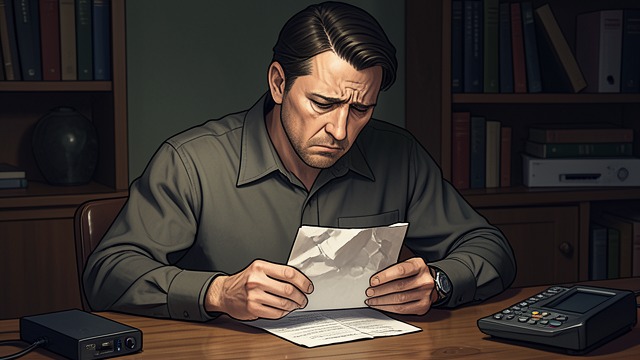
The Self-Condemning Letter
Hardin names his flaws
In his letter to Tessa, Hardin calls himself unkind and undeserving, admitting that he cannot promise never to hurt her. His remorse is sincere but also self-condemning.
Shame does not repair harm
The letter helps Tessa understand him, yet it cannot substitute for changed behavior. Hardin must learn that feeling like a bad person is not the same as acting responsibly.
Reading Tessa’s Faith
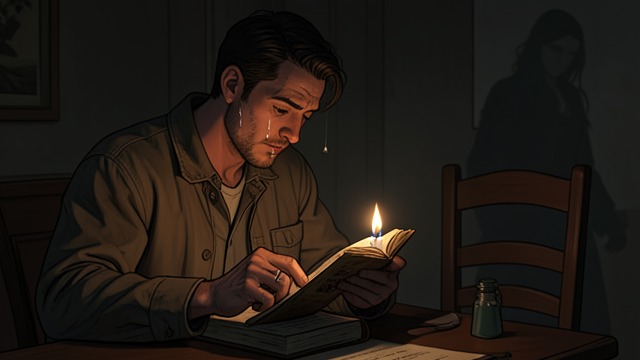
Reading Tessa’s Faith
A witness to her pain
Hardin reads Tessa’s journal and sees how repeatedly she has suffered in the relationship. He is moved by her belief that he can change.
Hope becomes pressure
Her faith comforts him but also frightens him because he has not yet earned it. He must decide whether to treat her belief as permission to continue or as a responsibility to improve.
Self-Punishment After Departure
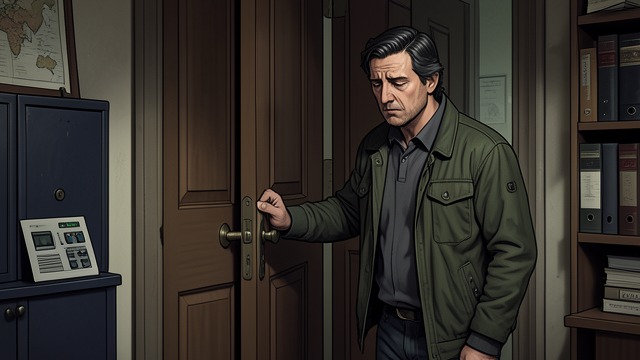
Self-Punishment After Departure
A door shut in anger
Hardin lets Tessa leave and then destroys the letter she cherished. He immediately recognizes that he has repeated the very pattern she described.
Shame deepens isolation
He believes he is doing her a favor by staying away, even as he longs for her return. Self-condemnation becomes another way to avoid the work of repair.
The Target Outburst
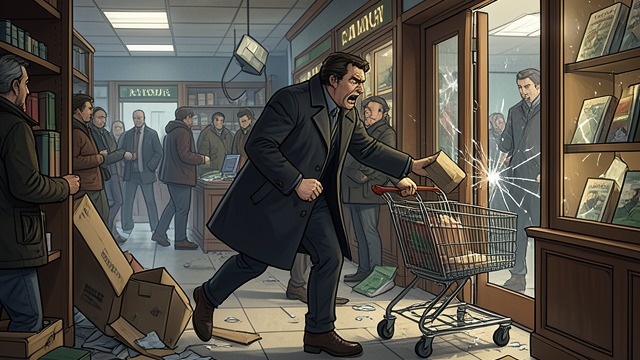
The Target Outburst
A past mistake weaponized
Steph uses Hardin’s insecurities and the old rumors about Zed to provoke him. He damages merchandise and flees before police arrive.
Shame follows the outburst
Hardin knows he should have controlled himself but struggles to separate accountability from self-hatred. His fear that he cannot change becomes part of the crisis.
The Family Secret Looms

The Family Secret Looms
A new accusation
Sasha’s claim that Christian is Hardin’s father adds uncertainty to an already painful family history. Hardin’s first response is shock, not understanding.
Shame meets identity
The revelation threatens to reshape how Hardin understands Ken, Trish, and himself. The story ends before he can decide what this knowledge means.
Before the Seattle breakup
During the separation
The night Tessa leaves the apartment
After Steph’s taunt
At Gabriel’s near the novel’s end
